
—
The following is the average cost based on the length you stay.
| Staying Length | Average Buying Cost | Average Renting Cost | ||
|---|---|---|---|---|
| Monthly | Annual | Monthly | Annual | |
Estimates only. Assumes steady annual growth rates, a fixed-rate mortgage, and a simplified tax-benefit calculation compared against the standard deduction for your filing status. Actual costs vary. Not financial or tax advice.
What is a Rent vs. Buy Calculator
Compare the Cost of Renting vs. Buying a Home
A Rent vs. Buy Calculator helps you compare the financial cost of renting a home with the potential cost of buying one. The decision depends on more than just comparing monthly rent with a mortgage payment. A home purchase may involve a down payment, closing costs, property taxes, insurance, maintenance, repairs, and other expenses, while renting may involve a security deposit, renter’s insurance, and future rent increases. SharpCalculator helps you compare these factors and estimate which option may make more financial sense based on your expected length of stay and financial situation. The results are estimates based on the information entered and should be considered alongside your personal circumstances.
What to Expect When Buying a Home
Buying a home can provide long-term stability and the opportunity to build equity, but homeownership also comes with significant upfront and recurring expenses. The initial costs can include the down payment, closing costs, inspection fees, appraisal charges, and other transaction expenses. After purchasing, homeowners generally need to account for the major components of their mortgage and housing expenses, often referred to as PITI:
- Principal: The portion of the mortgage payment that reduces the amount borrowed and builds home equity.
- Interest: The cost paid to the lender for borrowing money.
- Taxes: Property taxes charged by the applicable local government or taxing authority.
- Insurance: Homeowners insurance that protects against covered property risks. Some borrowers may also need private mortgage insurance (PMI) when the down payment is below certain requirements.
Homeowners should also budget for maintenance, repairs, HOA or condominium fees, and the costs associated with eventually selling the property.
What to Know When Renting and Factors That Affect the Decision
Renting generally requires less money upfront than purchasing a home and can provide greater flexibility for people who may move within a few years. The main expense is the monthly rent, although renters may also have additional costs such as a security deposit, application fees, and renter’s insurance. Before signing a lease, it is useful to consider:
- Rent increases: Future increases can significantly change the long-term cost of renting.
- Security deposit: This is commonly required before moving into a rental property.
- Lease terms: A fixed lease can provide predictable rent for the agreed period.
- Flexibility: Renting can be useful for people who expect changes in their job, location, or lifestyle.
- Maintenance: Major property repairs are generally the landlord’s responsibility, although renters remain responsible for obligations stated in the lease.
The financial decision between renting and buying is also influenced by the expected investment return on money that could otherwise be used for a down payment, the expected appreciation of the home, mortgage interest rates, property taxes, insurance, maintenance, and buying or selling costs.
Why Use a Rent vs. Buy Calculator?
A Rent vs. Buy Calculator allows you to compare these costs over the period you expect to live in a home. One of the most important factors is the length of stay. Buying a home involves substantial transaction costs, so staying in the property for a longer period may make those costs easier to justify. If you expect to move after only a short period, renting may be financially preferable in some situations. The calculator can help estimate the minimum period you may need to stay for buying to become more financially favorable than renting based on your inputs. Since future home appreciation, rent increases, investment returns, and expenses cannot be predicted perfectly, the results should be treated as estimates rather than guarantees.
Frequently Asked Questions
Many budgeting experts recommend spending around 30% of your monthly income on housing expenses. Your personal financial goals and monthly obligations may also affect what is affordable.
Yes. You can enter utility costs such as electricity, gas, internet, and other recurring expenses to calculate your total monthly housing cost.
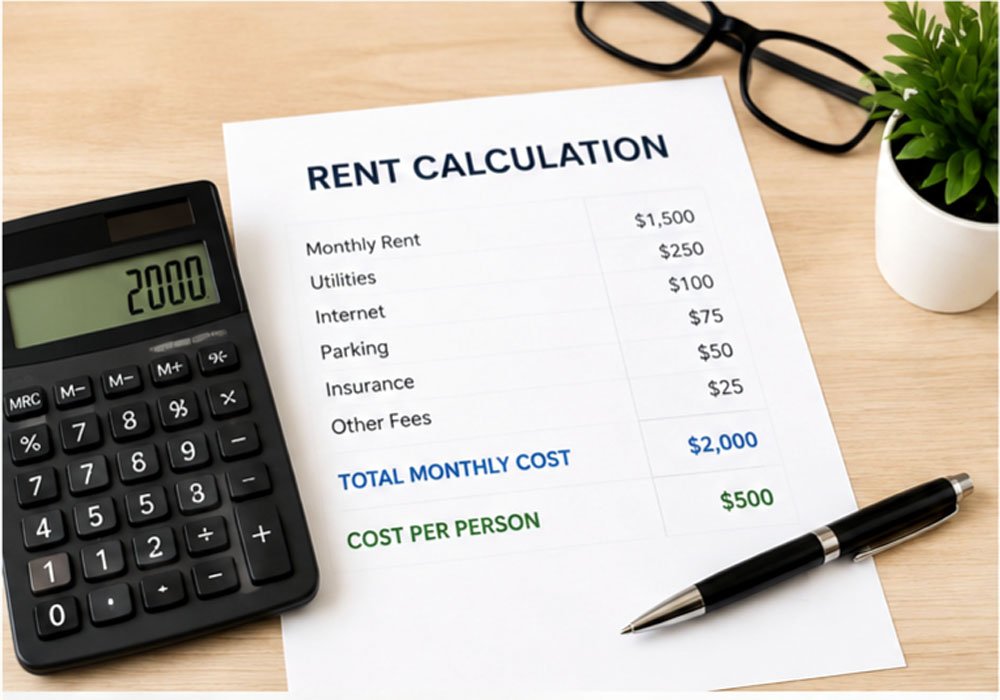
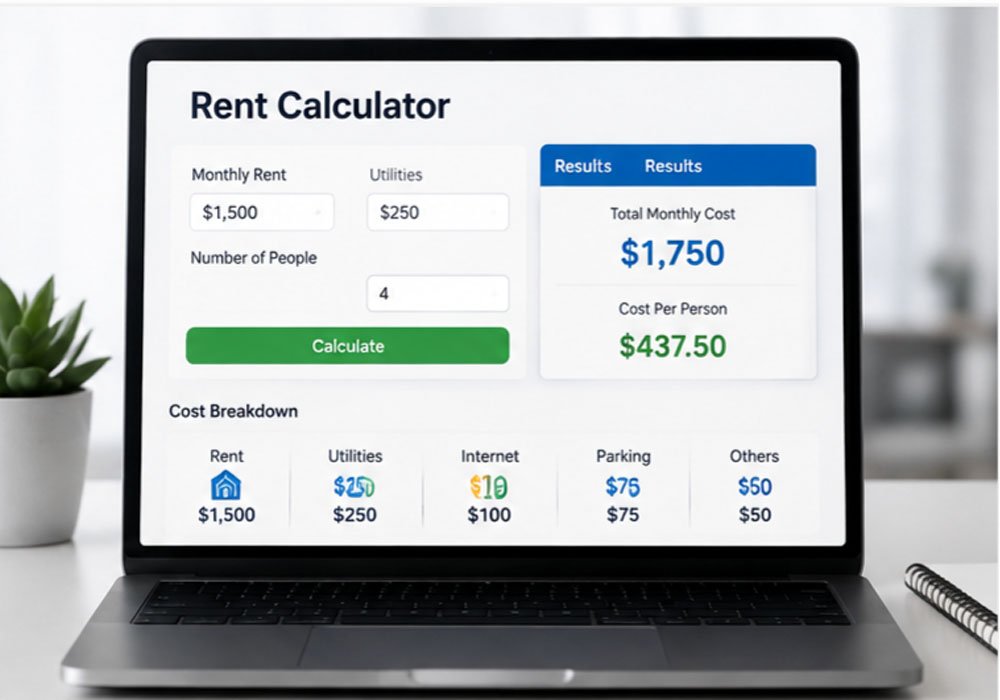
Simply enter the total number of people sharing the property. The calculator automatically divides the total housing cost equally among all occupants.
Rent is only one part of your monthly housing budget. Including utilities, internet, insurance, and parking provides a much more accurate estimate of your real monthly expenses.
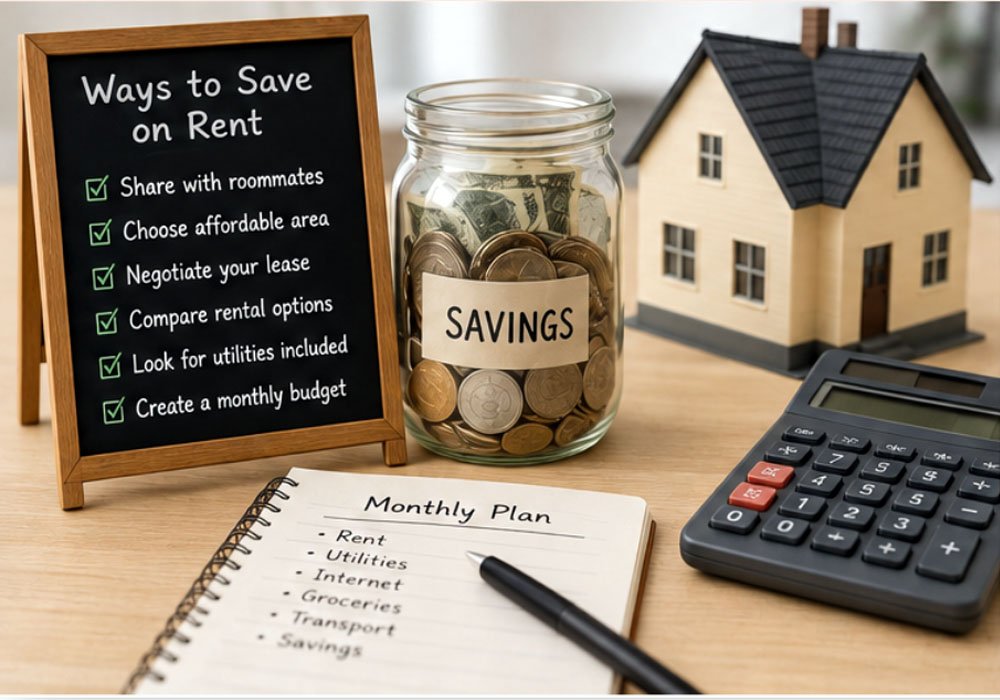
Absolutely. It helps you understand your total housing expenses so you can create a realistic monthly budget and avoid overspending.
Related Calculator:
Explore more financial tools designed to simplify your calculations. Whether you’re planning a mortgage, estimating an auto loan, calculating taxes, or tracking investment growth, our free calculators provide fast and accurate results to help you make smarter financial decisions.